
Reconciliation Agents
VapusData Reconciliation Agents automatically match, validate, and resolve data discrepancies across systems, continuously and accurately.
Features
Empowering Reconciliation Workflows
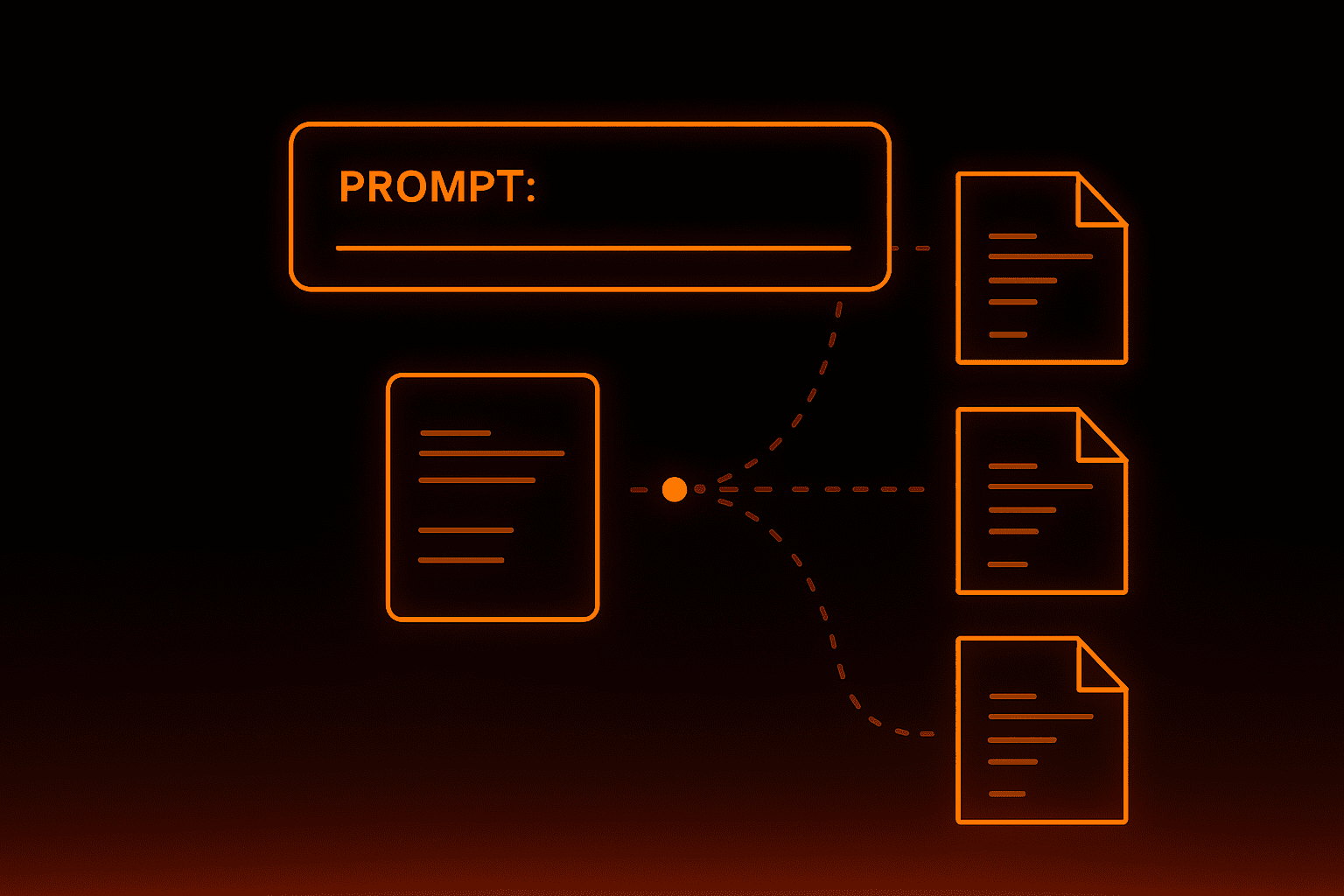
Reconciliation Agents run across financial, operational, and analytical systems to ensure data consistency and accuracy.
Reconciliation Execution Cycle
How reconciliation Agents run from ingestion to resolution
1
Pull data from source systems and external feeds in real time.
2
Standardize formats and align records using schema-aware mappings.
3
Match records using identifiers, amounts, and timestamps.
4
Identify mismatches, duplicates, and missing entries with context.
5
Auto-resolve issues or route exceptions while logging full audit details.
Reconciliation Agents at a Glance
Autonomous reconciliation with built-in oversight
- Real-time visibility into reconciliation status and outcomes
- Full context for every mismatch, exception, and adjustment
- Complete audit trail for every reconciliation decision
- Role-based access to results, overrides, and approvals
- Policy-enforced execution across entities and systems
Help Center
FAQs
Quick answers to questions you may have. Can't find what you're looking for? Check out our full documentation.
Yes. VapusData automates the majority of reconciliation by continuously matching, validating, and resolving records across systems.
Rules are configured using policies and can evolve through learning from historical outcomes.
Yes. Reconciliation logic is policy-driven and improves over time by learning from historical resolutions, adjustments, and user feedback—without breaking existing controls.
Every reconciliation decision, adjustment, and override is logged with timestamps, source references, and decision context, making the entire process fully auditable.
Yes. Reconciliation runs continuously as data arrives, allowing teams to identify issues early instead of discovering breaks during financial close.
Access is managed through role-based controls and segregation of duties, ensuring users can only view or act on what they are authorized to.
Still Reconciling data manually across systems?
Explore how VapusData Reconciliation Agents eliminate mismatches, reduce risk, and keep your data consistent across systems.